Optimal Timing for Demolition Projects
Timing for demolition projects depends on various factors including weather conditions, project scope, and local regulations. Planning during mild weather ensures safety and efficiency, reducing delays caused by rain or snow. Scheduling during off-peak seasons can also minimize disruptions to surrounding areas and allow for smoother project execution.
Demolition is best performed in dry, mild weather to prevent delays and safety issues related to rain, snow, or high winds.
Larger projects may require more planning and should be scheduled with ample lead time, often during periods with less construction activity locally.
Permits and inspections are often easier to coordinate during certain times of the year, depending on local government schedules.
Avoiding seasons with extreme temperatures helps prevent equipment failure and ensures worker safety and efficiency.
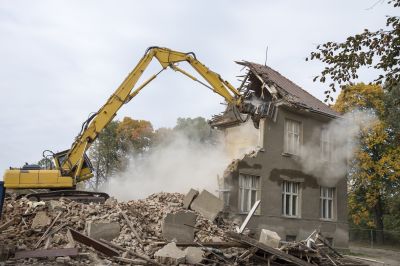
Ways to make Demolition Service work in tight or awkward layouts.
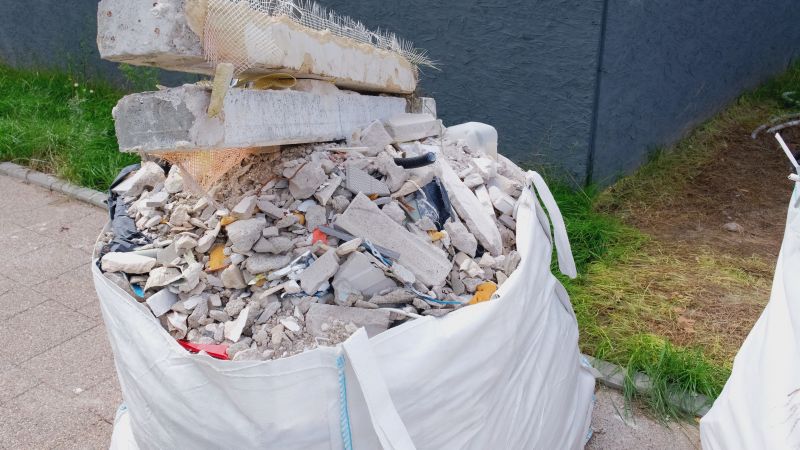
Popular materials for Demolition Service and why they hold up over time.
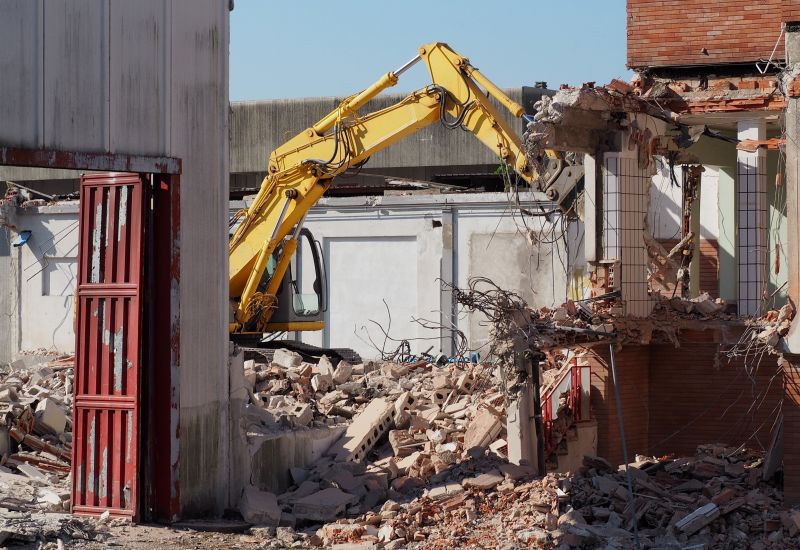
Simple add-ons that improve Demolition Service without blowing the budget.
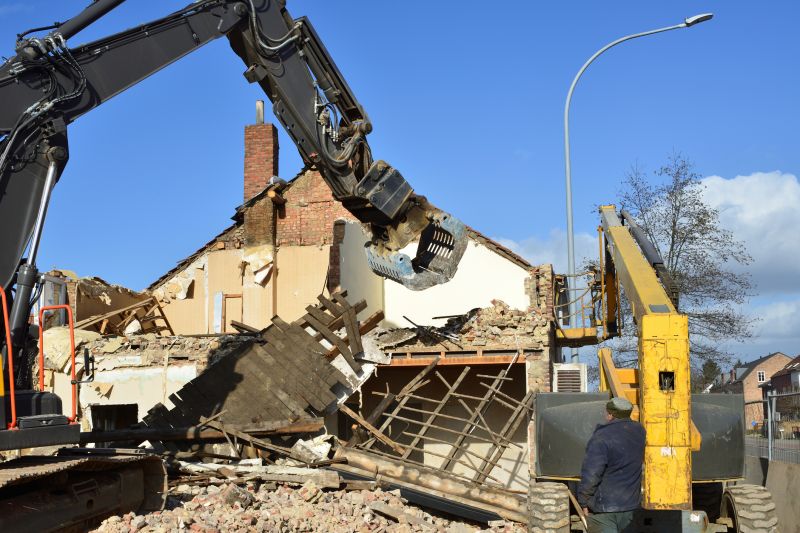
High-end options that actually feel worth it for Demolition Service.
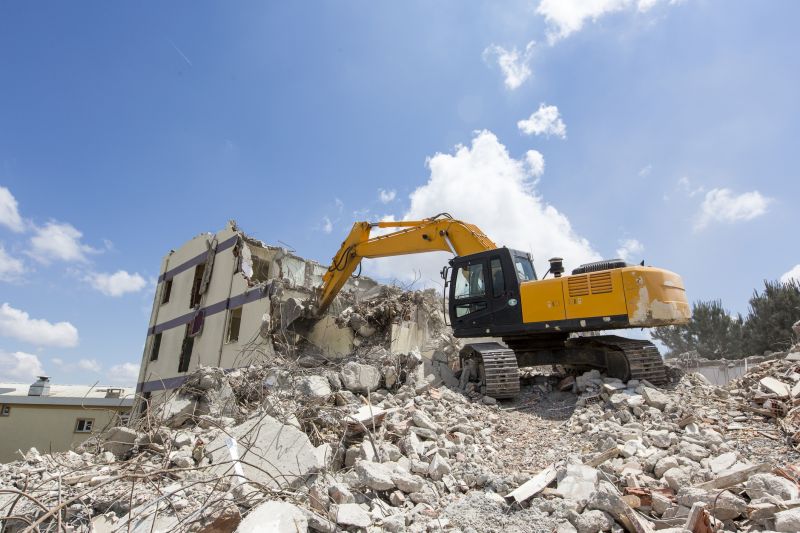
Finishes and colors that play nicely with Demolition Service.
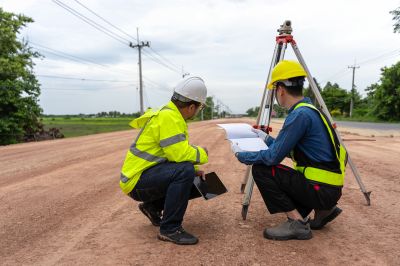
Little measurements that prevent headaches on Demolition Service day.
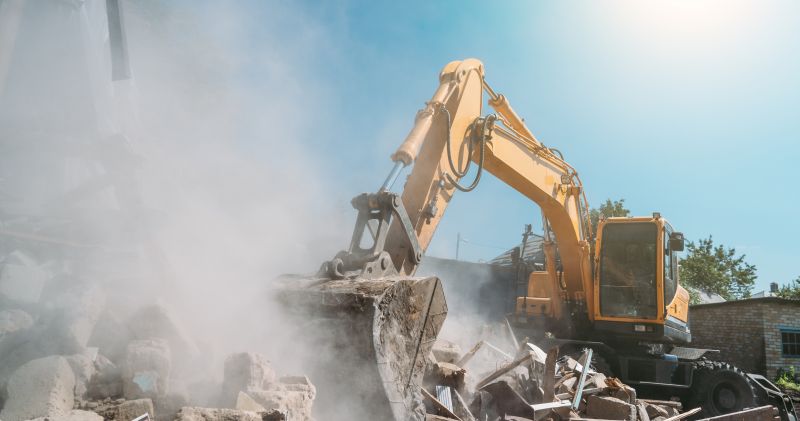
A 60-second routine that keeps Demolition Service looking new.

A frequent mistake in Demolition Service and how to dodge it.

Small tweaks to make Demolition Service safer and easier to use.
Statistics indicate that scheduling demolition projects during favorable weather and off-peak seasons can decrease delays by up to 30%. Additionally, well-timed demolition reduces safety incidents and enhances project management efficiency, leading to smoother project completion.
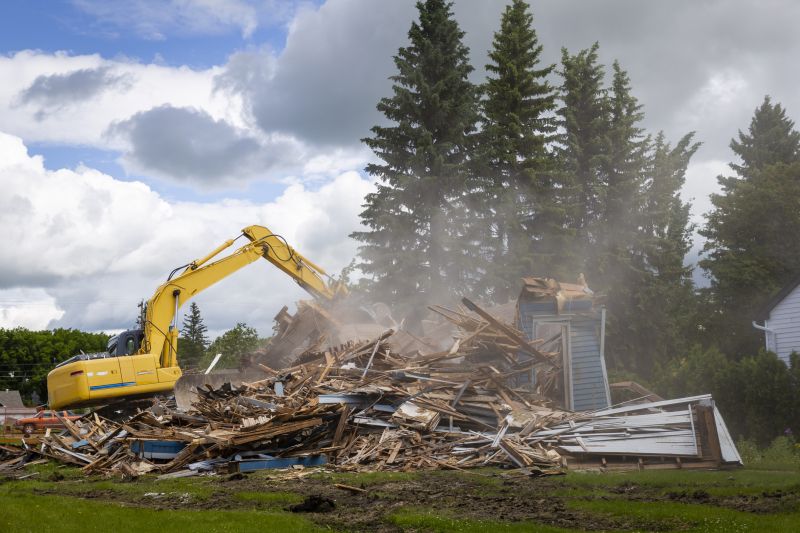
Lower-waste or water-saving choices for Demolition Service.
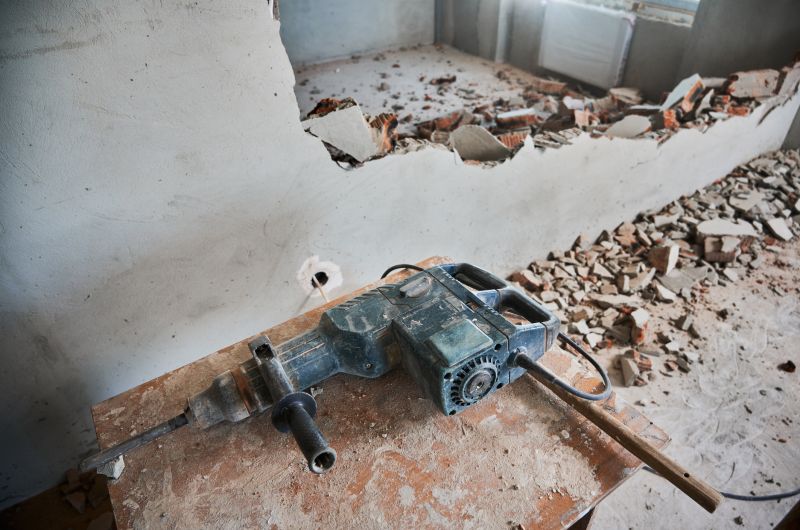
The short, realistic tool list for quality Demolition Service.
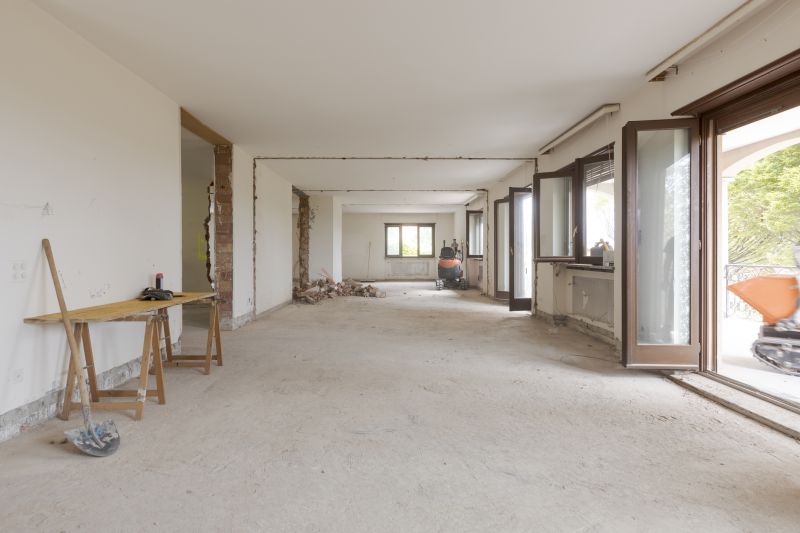
Rough timing from prep to clean-up for Demolition Service.

Quick checks and paperwork to keep after Demolition Service.
Interested parties are encouraged to contact for further details or to schedule a consultation. Proper planning and timing can significantly impact project success, safety, and cost-effectiveness.